Your heart is racing. Your thoughts are spinning. You need calm, and you need it now.
What if I told you there’s a breathing pattern so simple, so powerful, that it can shift your entire nervous system in less than a minute? No apps, no equipment, no special training required.
It’s called 4-7-8 breathing, and it’s been quietly changing lives for years. Developed by Dr. Andrew Weil and rooted in ancient yogic practices, this technique works with your body’s natural relaxation response to bring you back to center—fast.
Let me walk you through it.
What Is 4-7-8 Breathing?
The 4-7-8 breathing technique is beautifully straightforward. You breathe in for 4 counts, hold your breath for 7 counts, and exhale slowly for 8 counts. That’s it.
But don’t let the simplicity fool you. This pattern does something remarkable: it activates your parasympathetic nervous system, the part of your body responsible for rest, digestion, and calm. When you’re stressed, your sympathetic nervous system (your fight-or-flight mode) takes over. The 4-7-8 breath gently tells your body: “It’s safe. You can relax now.”
Think of it as a natural tranquilizer for your nervous system. The more you practice it, the more effective it becomes.

Why This Pattern Works So Well
There’s science behind the magic. When you hold your breath after inhaling, you’re allowing oxygen to fill your bloodstream more completely. When you exhale slowly—longer than you inhaled—you’re releasing carbon dioxide and triggering a relaxation response.
The extended exhale is key. Long, slow exhales signal safety to your brain. They tell your body that there’s no threat, no need to stay on high alert. Your heart rate slows. Your muscles soften. Your mind quiets.
This isn’t just theory. Studies on controlled breathing show that intentional breath work can reduce anxiety, lower blood pressure, improve sleep quality, and even help manage pain. The 4-7-8 technique packages all of this into one simple, repeatable practice.
How to Practice 4-7-8 Breathing
Ready to try it? Here’s your step-by-step guide:
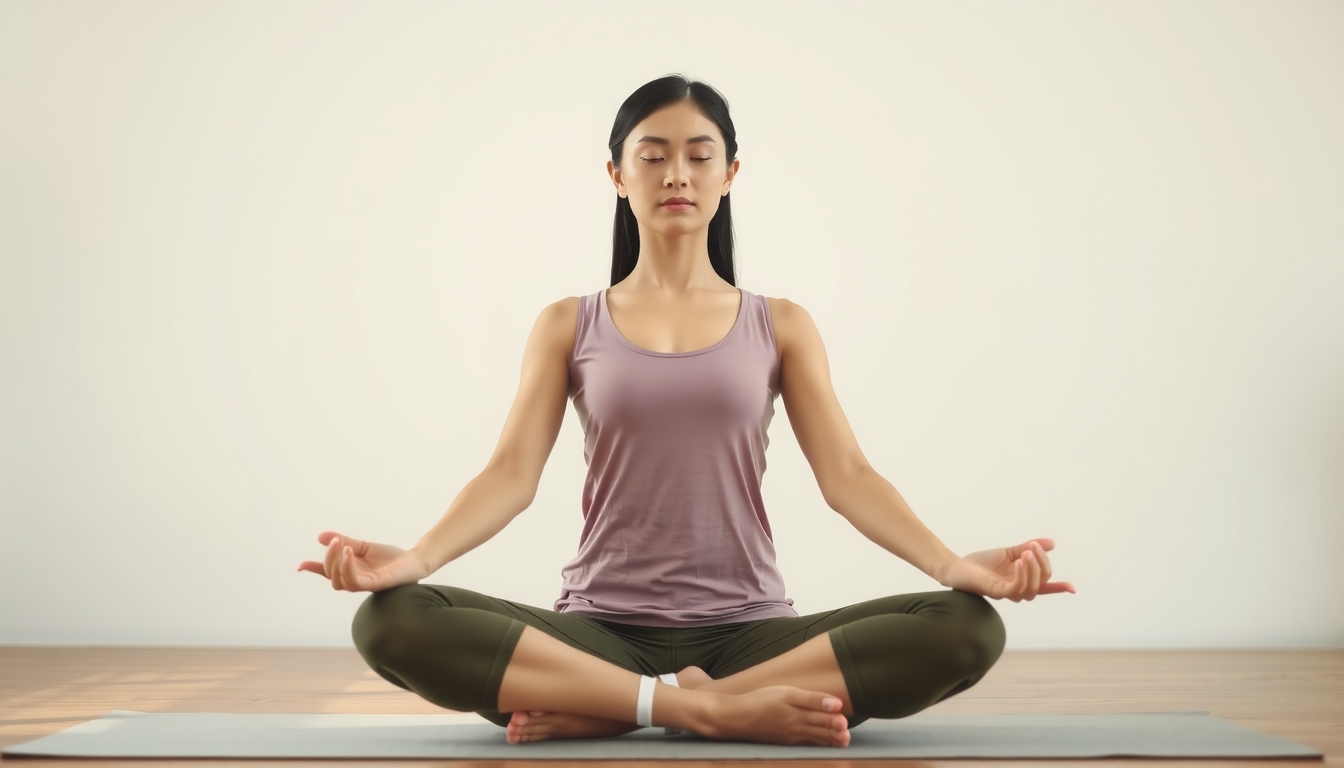
Find a comfortable position. You can sit in a chair, lie down, or even stand—whatever feels right. Place the tip of your tongue gently against the ridge behind your upper front teeth. Keep it there throughout the practice (this is a traditional yogic detail that helps regulate the breath).
Exhale completely through your mouth, making a gentle whooshing sound. This empties your lungs and prepares you for the cycle.
Close your mouth and inhale quietly through your nose for 4 counts. Count at a pace that feels natural—not rushed, not dragging.
Hold your breath for 7 counts. This is where the magic happens. Let the oxygen settle.
Exhale completely through your mouth for 8 counts, making that soft whooshing sound again. Feel the tension leaving your body.
That’s one cycle. Repeat for four full cycles when you’re starting out. As you get more comfortable, you can do more rounds, but four is plenty to feel the shift.

When to Use This Technique
The beauty of 4-7-8 breathing is its versatility. You can use it:
When anxiety strikes. Feeling overwhelmed before a meeting, a difficult conversation, or a big decision? Four rounds of 4-7-8 can bring you back to your center.
Before sleep. Many people swear by this technique as a natural sleep aid. Practice it lying in bed, and let the slow rhythm guide you into rest.
During moments of frustration. Traffic, a tense email, a crying child—when your patience is thin, your breath can be your anchor.
As a daily practice. Even when you’re not stressed, practicing 4-7-8 breathing twice a day builds resilience. You’re training your nervous system to return to calm more easily.
Think of it as emotional first aid you can carry with you everywhere.
Tips for Getting the Most from Your Practice
Don’t rush the counts. The rhythm matters more than the speed. Find a pace that feels sustainable and calming.
Be patient with the hold. If holding your breath for 7 counts feels uncomfortable at first, that’s normal. You can shorten the counts proportionally (say, 3-5-6) and work your way up.
Practice regularly. Like any skill, this gets easier and more effective with repetition. Try it twice a day for a month and notice what shifts.
Let go of perfection. Some days your breath will feel smooth and easy. Other days it might feel choppy or distracted. Both are fine. The practice is the point, not perfection.

The Bigger Picture: Breath as a Bridge
What I love most about the 4-7-8 technique is how it reminds us of something profound: your breath is always with you. It’s a constant companion, a tool you never have to search for.
In a world that often feels chaotic and out of control, your breath is something you can control. It’s a bridge between your mind and body, between stress and calm, between reaction and response.
You don’t need a meditation cushion, a quiet room, or hours of practice. You just need 60 seconds and a willingness to pause.
So the next time your mind starts spinning, remember: breathe in for four, hold for seven, exhale for eight. Let your body do what it knows how to do. Let yourself soften. Let the calm return.
Your breath is waiting. And so is your peace.