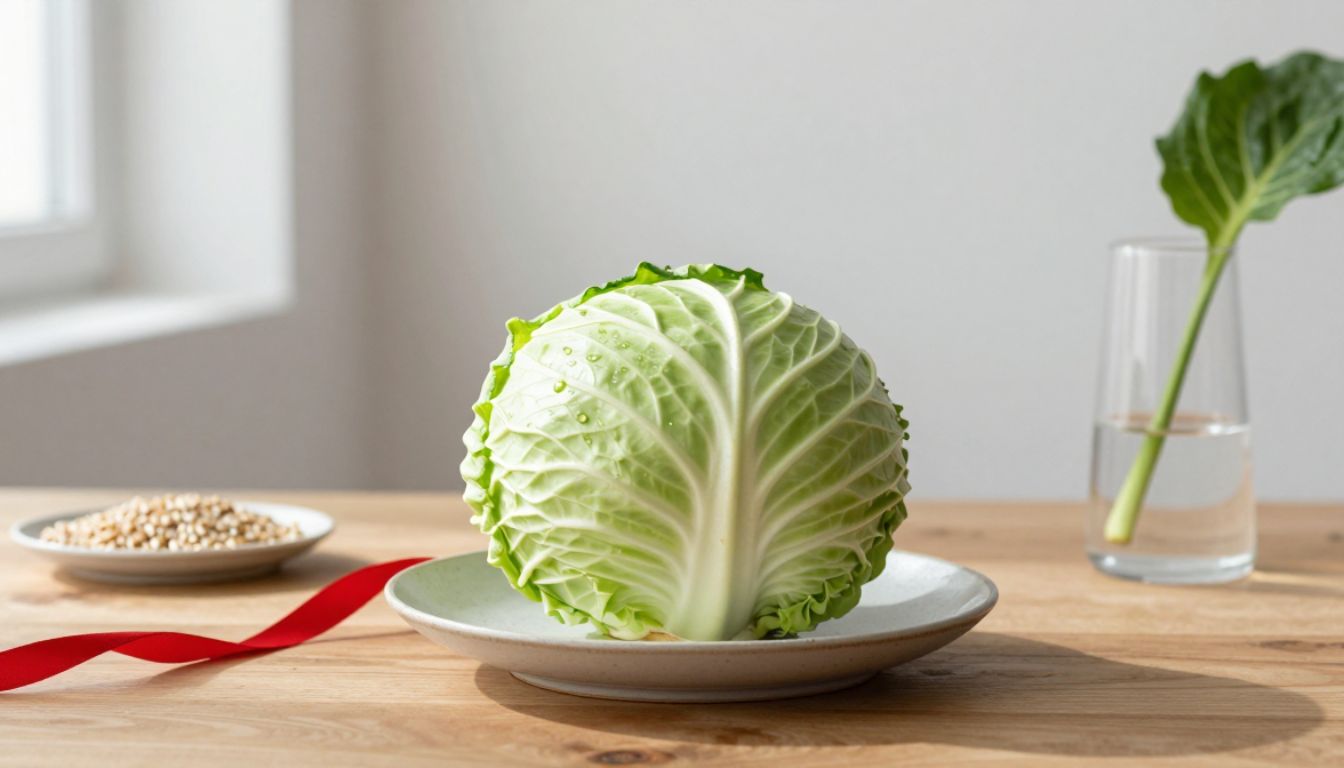
Every year, as December 31st rolls around, millions of Americans type the same question into Google: “how to cook collard greens.” This leafy green vegetable has become synonymous with New Year’s Day luck across the Southern United States, and the tradition has spread nationwide. The wrinkled, dark leaves are believed to bring prosperity in the coming year—each leaf representing a folded dollar bill. But here’s the problem: most people who cook collard greens for the first time end up with a pot of bitter, tough, unappetizing mush that tastes more like punishment than promise.
The secret to transforming collard greens from bitter to brilliant? One tablespoon of sugar.
Why collard greens are the ‘lucky vegetable’ everyone searches
Collard greens have deep roots in African American culinary tradition, particularly in the Southern states. The custom of eating them on New Year’s Day is tied to their color—green like money—and their ability to expand when cooked, symbolizing growing wealth. Many families pair them with black-eyed peas (for coins) and cornbread (for gold) to complete the prosperity trifecta.
As we approach New Year’s Day 2026 in just a few days, search interest in collard greens preparation has spiked once again. Even in India, where this tradition isn’t native, curious home cooks and expats are looking up ways to prepare this symbolic dish. The vegetable itself is a member of the cabbage family, packed with vitamins A, C, and K, along with calcium and fiber.
But knowing why to eat them doesn’t solve the taste problem.

The flavor complaint that ruins New Year’s luck
Collard greens contain compounds called glucosinolates, which give them a naturally bitter, almost metallic taste when cooked improperly. Traditional recipes often call for boiling the greens for hours with ham hocks or smoked turkey, but even then, many first-time cooks end up with an overpoweringly bitter pot that no amount of hot sauce can save.
The texture is another issue. Undercooked collards are tough and chewy. Overcooked ones turn into dark green slime. Finding the sweet spot requires either years of practice or one simple trick that grandmothers across the American South have known for generations.
The one ingredient that fixes everything
Add one tablespoon of sugar (white or brown) to your cooking liquid early in the process. This small addition doesn’t make the greens taste sweet—it balances the bitterness and brings out the vegetable’s natural savory depth. The sugar works by binding to the bitter compounds and mellowing them, while also encouraging caramelization of the greens’ natural sugars during the long cooking process.
Here’s what else you need:
- 1 large bunch of collard greens (about 500-700 grams), washed and chopped
- 3-4 cups vegetable or chicken stock
- 1 tablespoon sugar (the magic ingredient)
- 2 tablespoons apple cider vinegar (cuts through richness)
- 1 medium onion, diced
- 3 cloves garlic, minced
- 2 tablespoons olive oil or butter
- Salt, black pepper, and red chili flakes to taste
- Optional: 200 grams smoked bacon or ham for traditional flavor
The vinegar is your second secret weapon—it brightens the dish and further neutralizes bitterness.

The 15-minute stovetop version
If you’re short on time, this quick method delivers tender, flavorful greens without the traditional hours-long simmer.
Step 1: Remove the tough center ribs from each collard leaf by folding the leaf in half and cutting along the stem. Stack the leaves, roll them tightly, and slice into thin ribbons (this technique is called chiffonade).
Step 2: Heat oil in a large pot over medium heat. Add onion and cook for 3 minutes until soft. Add garlic and cook for 30 seconds until fragrant.
Step 3: Add the chopped collards in batches, stirring as they wilt down. Once all greens are in the pot, add 2 cups of stock, the sugar, vinegar, salt, and pepper.
Step 4: Cover and simmer for 12-15 minutes, stirring occasionally. The greens should be tender but still have some body. Taste and adjust seasoning.
Step 5: Serve with a slotted spoon, reserving the cooking liquid (called “pot likker”) for dipping cornbread.
The slow-cooker version for deeper flavor
For the traditional melt-in-your-mouth texture, use a slow cooker.
Step 1: If using bacon or ham, cook it first in a pan until crispy. Reserve the drippings.
Step 2: Add all chopped collards to the slow cooker. Pour in 3-4 cups of stock, the sugar, vinegar, cooked meat (if using), onion, garlic, and seasonings.
Step 3: Cook on low for 6-7 hours or high for 3-4 hours. The greens will be silky and deeply flavored.
Step 4: Taste 30 minutes before serving and adjust salt, pepper, or vinegar as needed.
This method is perfect for New Year’s Day when you’re busy with other preparations or hosting guests.

How to store leftovers so they taste even better
Collard greens are one of those rare dishes that actually improve overnight. The flavors continue to meld, and the greens absorb more of the seasoned cooking liquid.
Storage tips:
- Let the greens cool completely before transferring to an airtight container.
- Store the greens with their cooking liquid to prevent them from drying out.
- Refrigerate for up to 5 days.
- Reheat gently on the stovetop, adding a splash of water or stock if needed.
- Freeze in portion-sized containers for up to 3 months. Thaw overnight in the refrigerator before reheating.
Many families intentionally make a large batch on New Year’s Day to enjoy throughout the first week of January, believing that each serving extends their good fortune.
Making the tradition your own
While the classic Southern preparation is delicious, you can adapt collard greens to suit Indian palates or dietary preferences:
- Add Indian spices: Stir in cumin seeds, mustard seeds, or a pinch of garam masala during cooking.
- Make it vegan: Skip the meat and use vegetable stock. Add smoked paprika for depth.
- Spice it up: Fresh green chilies or extra red chili flakes add heat without overwhelming the greens.
- Pair differently: Serve alongside dal and rice instead of traditional cornbread.
The symbolism of prosperity and fresh starts translates across cultures, making this a meaningful dish to try as we enter 2026.

Your New Year’s action plan
Whether you’re honoring a family tradition or trying collard greens for the first time this New Year’s Day, remember the two key ingredients that transform this lucky vegetable: sugar to balance bitterness and vinegar to brighten flavor. Choose the quick stovetop method if you’re pressed for time, or let the slow cooker do the work while you prepare the rest of your celebration meal.
Pick up a bunch of collard greens in the next few days, gather your ingredients, and give yourself the gift of a delicious tradition that might just bring a little extra prosperity into your new year. After all, if you’re going to eat your greens, they might as well taste amazing.