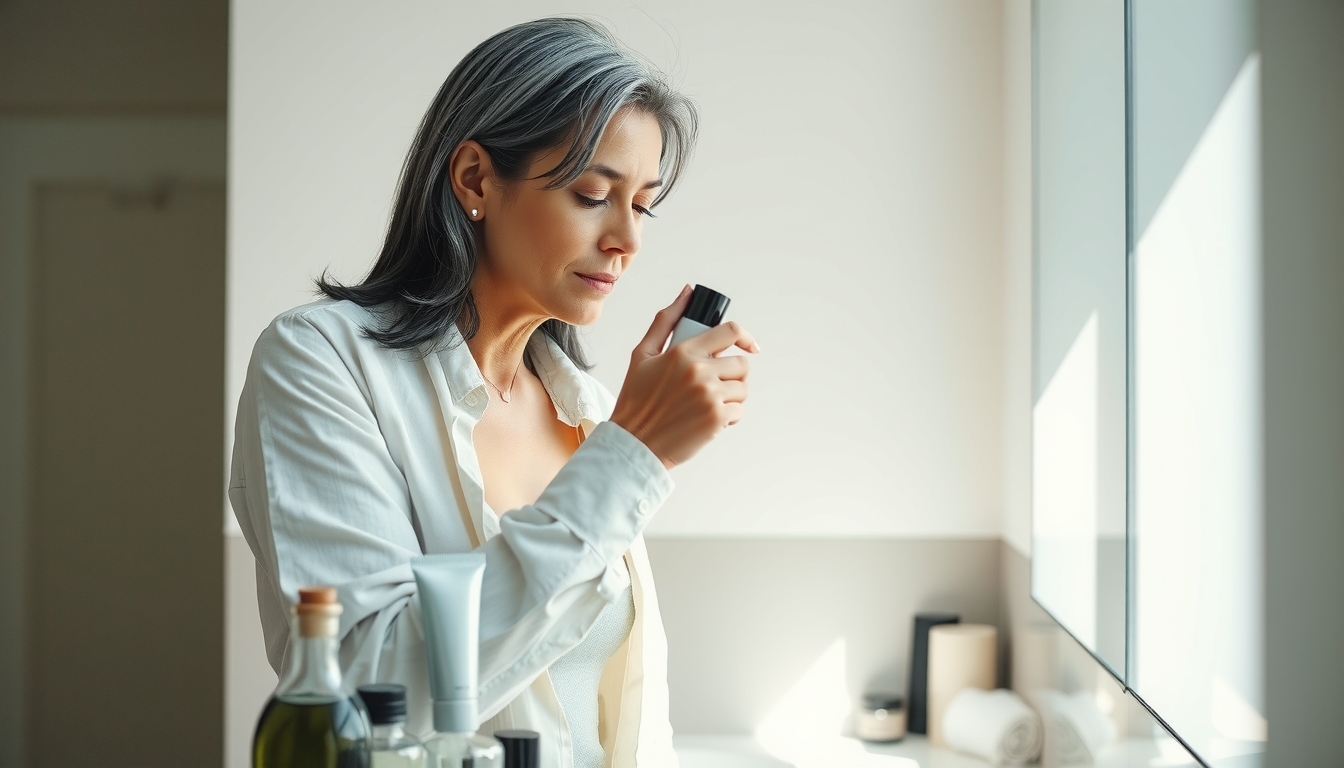
You spray your favorite perfume in the morning, feel like a million bucks for twenty minutes, and then—something shifts. That gorgeous floral you loved in the store now smells like a headache in a bottle. If you’ve ever wondered why a scent that started so promising turns cloying, sticky, or just plain wrong after half an hour, you’re not alone. The culprit isn’t the perfume itself—it’s how fragrance chemistry meets your skin, and how most of us skip the one step that separates a signature scent from a regrettable impulse buy.
With Rituals perfume trending across India right now, thousands are rediscovering the ritual of fragrance—but many are making the same mistake: choosing a scent based on the first sniff. Here’s how to pick a perfume that actually lasts (and stays pleasant) through your entire day.
Why a scent changes after dry-down
Perfume isn’t static. It’s a three-act performance that unfolds over hours. The top notes—those bright, zesty, or sparkling impressions you smell first—evaporate within 15 to 30 minutes. What you’re left with is the heart (middle notes) and base, which can smell completely different.
The problem? Most people decide in the store based on top notes alone. That citrus burst or fresh bergamot feels clean and light, but once it fades, you’re stuck with the heavier florals, musks, or gourmands underneath. If those don’t suit your skin chemistry, the perfume can turn sour, powdery, or overwhelmingly sweet.
Your skin’s pH, oil levels, and even diet influence how a fragrance develops. Oily skin holds scent longer but can amplify sweetness. Dry skin makes perfume fade faster. Spicy foods, medications, and hormonal shifts all tweak the way molecules interact with your natural scent.

The 3-spray test and the ‘shirt cuff’ trick
Here’s the gold standard for testing a perfume before you commit: the 3-spray test.
- Spray 1: On a blotter or tester strip. This gives you the raw scent profile without skin interference.
- Spray 2: On your inner wrist. Wait 30 minutes. Walk around. Let it interact with your body heat and oils.
- Spray 3: On the inside of your shirt cuff or a cotton cloth. This shows how the scent performs on fabric—closer to how others will smell it on you.
The shirt cuff trick is underrated. Fabric holds fragrance differently than skin, often amplifying base notes and giving you a preview of the scent’s longevity. If it smells good on your cuff after an hour, it’s a keeper.
Never test more than three perfumes in one session. Your nose fatigues quickly, and by the fourth scent, everything smells the same. Take breaks, smell coffee beans (or your own skin) to reset, and give each fragrance time to breathe.
Notes that get cloying fastest (and how to balance them)
Certain fragrance families are notorious for turning heavy after dry-down. If you’re prone to scent fatigue or headaches, watch out for these:
- Vanilla and tonka bean: Gourmand notes smell delicious at first but can become suffocatingly sweet, especially in warm weather or on oily skin.
- White florals (jasmine, tuberose, gardenia): Intoxicating in small doses, overwhelming in large ones. They can turn soapy or medicinal if overapplied.
- Patchouli and amber: Rich, earthy bases that anchor many perfumes—but too much reads as musty or overpowering indoors.
- Synthetic musks: Cheap musks can smell plasticky or laundry-detergent-like after an hour.
To balance these notes, look for perfumes that pair them with citrus, green, or aquatic accords. A vanilla-heavy scent with bergamot or neroli on top stays fresher longer. A white floral with a hint of cucumber or tea feels lighter and more wearable.
If you already own a perfume that’s too sweet, try layering it with an unscented or lightly scented body oil. The oil dilutes the intensity and slows evaporation, stretching the top notes.

Layering 101: lotion first, then perfume
Here’s the simplest hack to make any perfume last longer and smell more balanced: moisturize before you spray.
Dry skin is porous and absorbs fragrance quickly, causing it to fade or distort. Hydrated skin holds scent molecules on the surface longer, allowing the perfume to develop as intended.
Use an unscented lotion or body oil—or, if you’re using a Rituals product, match the lotion to the perfume line for a cohesive scent story. Apply lotion to pulse points (wrists, neck, behind ears, inner elbows) and let it sink in for a minute. Then spray your perfume on top.
This creates a scent sandwich: the lotion acts as a base layer that locks in the fragrance, while your body heat activates the top and heart notes gradually. The result? A perfume that evolves smoothly instead of spiking and crashing.
Avoid spraying perfume directly onto dry skin, especially in winter. The fragrance will cling to dead skin cells and smell flat.
How to make it feel like a personal ritual: scent-anchor and habit
The best perfumes aren’t just about smell—they’re about emotional anchoring. When you pair a scent with a daily ritual, your brain starts associating the fragrance with calm, confidence, or energy, depending on the context.
Here’s how to build a scent ritual:
- Choose a moment: Morning coffee, post-shower, before bed. Pick one consistent time to apply your perfume.
- Anchor it to a feeling: As you spray, take three deep breaths. Visualize how you want to feel that day—grounded, creative, bold.
- Layer the environment: Light a candle or use a room spray in a complementary scent. This creates a sensory cocoon that reinforces the fragrance.
- Rotate seasonally: Don’t wear the same perfume year-round. In India’s summer heat (March to June), opt for citrus or aquatic notes. During monsoon (July to September), try green or woody scents. Winter (December to February) is perfect for warm vanillas and spices.
When fragrance becomes a ritual, you stop chasing trends and start curating a scent wardrobe that reflects your life. You’ll know a perfume is right when putting it on feels less like a chore and more like coming home.

Your next step
If Rituals perfume caught your eye, visit a store and apply the 3-spray test. Don’t rush. Wear it for a full day before deciding. Pay attention to how it makes you feel, not just how it smells in the first five minutes.
And if you already own a perfume that turned cloying? Try the lotion trick, or layer it with a lighter scent. Sometimes all a fragrance needs is a little breathing room.
Perfume is personal. There’s no “best” scent—only the one that works with your skin, your life, and your rituals. Take your time. Your signature scent is worth the search.