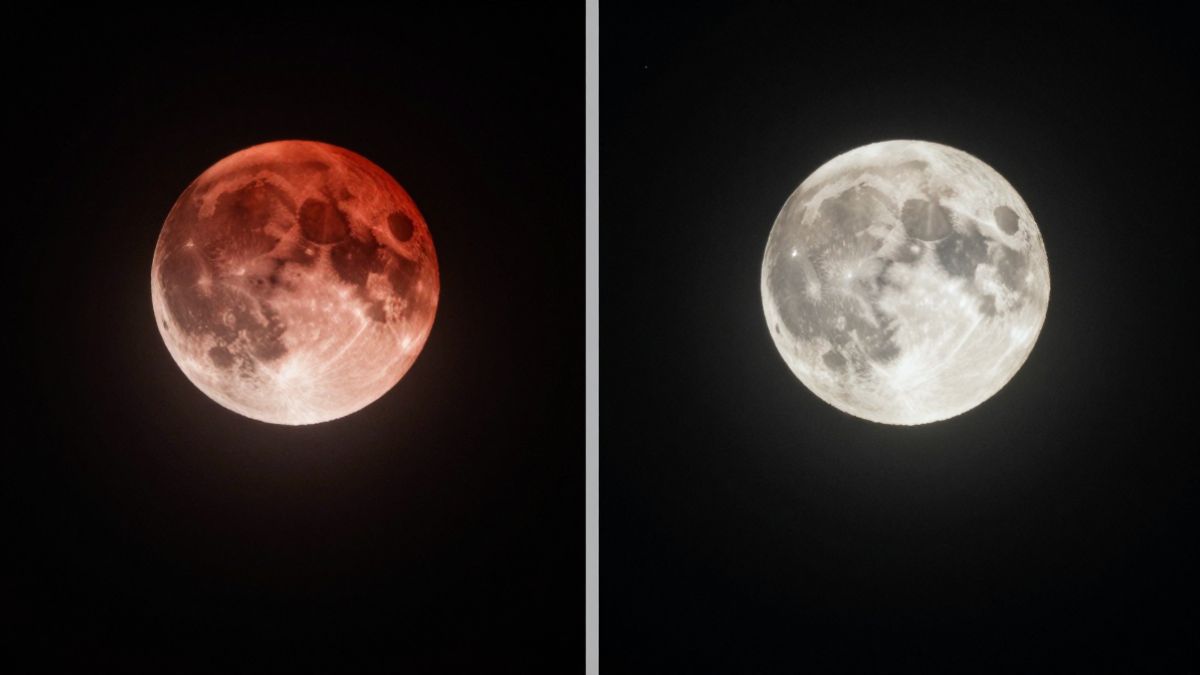
You’ve circled next week’s full Moon in your calendar, ready to harness its energy. But wait—this isn’t just any full Moon. It’s a lunar eclipse. And that one word changes everything about how you should plan the next seven days.
Most people treat eclipses like supercharged full Moons, assuming they’re simply amplified opportunities for manifestation or celebration. The truth? Eclipses are cosmic reset buttons, not amplifiers. They bring closures, revelations, and sudden shifts—not the steady, predictable energy of a regular full Moon. Understanding this distinction isn’t just astrology trivia; it’s practical wisdom that can save you from making rushed decisions you’ll regret.
What makes a lunar eclipse different from a full Moon
Every full Moon occurs when the Sun and Moon sit opposite each other in the sky, creating that luminous circle we all admire. But a lunar eclipse happens only when Earth moves directly between the Sun and Moon, casting its shadow across the lunar surface.
Astronomically, it’s a rare alignment. Spiritually and psychologically, it creates a pressure-cooker effect. The Moon governs our emotions, habits, and subconscious patterns. When Earth’s shadow falls across it, we experience a temporary “blackout” of our usual emotional operating system.
Regular full Moons illuminate what’s already there. Eclipses reveal what’s been hidden—sometimes gently, often abruptly. Think of it as the difference between turning on a light in a familiar room versus opening a door you didn’t know existed.

Why eclipses amplify closure and ending themes
Eclipses have earned their reputation as cosmic editors. They cut away what no longer serves, often without asking permission first.
During a lunar eclipse, you might suddenly realize:
- A relationship has run its natural course
- A job that felt secure now feels suffocating
- A habit you’ve defended for years is actually holding you back
- Information comes to light that changes your perspective entirely
These aren’t random disruptions. Eclipses accelerate timelines. What might have taken six months to unfold can crystallize in a single week. The energy is less about starting fresh and more about releasing what’s complete.
In India, traditional eclipse practices have always recognized this intensity. The emphasis on rest, introspection, and avoiding major activities during eclipse windows isn’t superstition—it’s ancestral wisdom about navigating high-energy transitions.
What to do during eclipse week: simplify and protect
This isn’t the week to pack your schedule or push through exhaustion. Instead, focus on these grounding practices:
Simplify your plans ruthlessly. Cancel non-essential commitments. Give yourself permission to do less. Eclipse energy is unpredictable; building in buffer time prevents overwhelm when unexpected situations arise.
Review existing commitments, don’t create new ones. Look at your current projects, relationships, and obligations. What feels aligned? What feels forced? Use this week for honest assessment, not ambitious expansion.
Protect your sleep schedule. Eclipses can disrupt sleep patterns and intensify dreams. Prioritize an extra hour of rest if possible. Avoid late-night scrolling or stimulating content before bed. Your nervous system needs extra support right now.
Create a daily check-in ritual. Spend five minutes each morning asking: “What am I feeling? What needs attention today?” Eclipse revelations often arrive as subtle nudges before they become loud demands.
Stay hydrated and grounded. Drink more water than usual. Spend time barefoot on earth if you can. Eat warm, nourishing foods. Physical grounding helps when emotional energy runs high.

What to avoid: irreversible decisions made in haste
Eclipse clarity can feel urgent and absolute. You might experience a sudden knowing that screams, “Do this NOW.” But here’s the catch: eclipse insights are often accurate; eclipse timing is often premature.
Avoid these during eclipse week:
Don’t quit your job impulsively. If the realization hits that you need to leave, honor it—but wait two weeks before submitting resignation letters. Eclipse clarity benefits from a cooling-off period.
Don’t end important relationships in the heat of the moment. If serious relationship doubts surface, acknowledge them fully. Journal about them. Discuss them if appropriate. But avoid final declarations until the eclipse energy settles.
Don’t make major purchases or sign contracts. If you must, read everything twice and build in exit clauses. Eclipse weeks are notorious for overlooked details and information that emerges later.
Don’t start big new projects. This applies to business launches, major renovations, or ambitious personal initiatives. Eclipses favor completion and release, not initiation. Projects started during eclipse season often require significant course corrections later.
Don’t ignore your body’s signals. If you feel exhausted, rest. If you feel emotional, allow it. Pushing through eclipse energy creates more turbulence, not productivity.
Your grounded eclipse toolkit: journal prompt and calm-down routine
When eclipse intensity peaks, use these two tools:
Journaling prompt for clarity:
“What in my life feels complete, even if I’m not ready to let it go? What would become possible if I trusted this ending?”
Write without editing for ten minutes. Don’t force answers. Sometimes the question itself creates the necessary space for truth to emerge.
Emergency calm-down routine (5 minutes):
- Breathe: Four counts in, hold for four, six counts out. Repeat five times.
- Name it: Say out loud, “I’m feeling [emotion] because of [situation].”
- Ground it: Touch something textured—a wall, fabric, tree bark. Describe the sensation.
- Postpone action: Tell yourself, “I can decide about this tomorrow.” Write down your thoughts if needed, then step away.
- Hydrate: Drink a full glass of water slowly.
This routine interrupts the urgency spiral that eclipse energy can trigger. It doesn’t dismiss your feelings; it creates space between feeling and action.

Planning your week with eclipse wisdom
As you move through the next seven days, remember: this lunar eclipse isn’t testing you; it’s revealing what’s ready to shift. The difference between an eclipse and a regular full Moon isn’t just astronomical—it’s deeply practical.
Treat this week as a listening period, not a doing period. The insights that arrive now are valuable, but they need time to integrate. Protect your energy, simplify your schedule, and trust that clarity will deepen after the eclipse passes.
What feels urgent today will feel clearer in two weeks. What needs to end will end—with or without your resistance. Your job isn’t to force or prevent; it’s to stay present, grounded, and kind to yourself through the transition.
The eclipse will do its work. Your work is to take care of yourself while it does.